
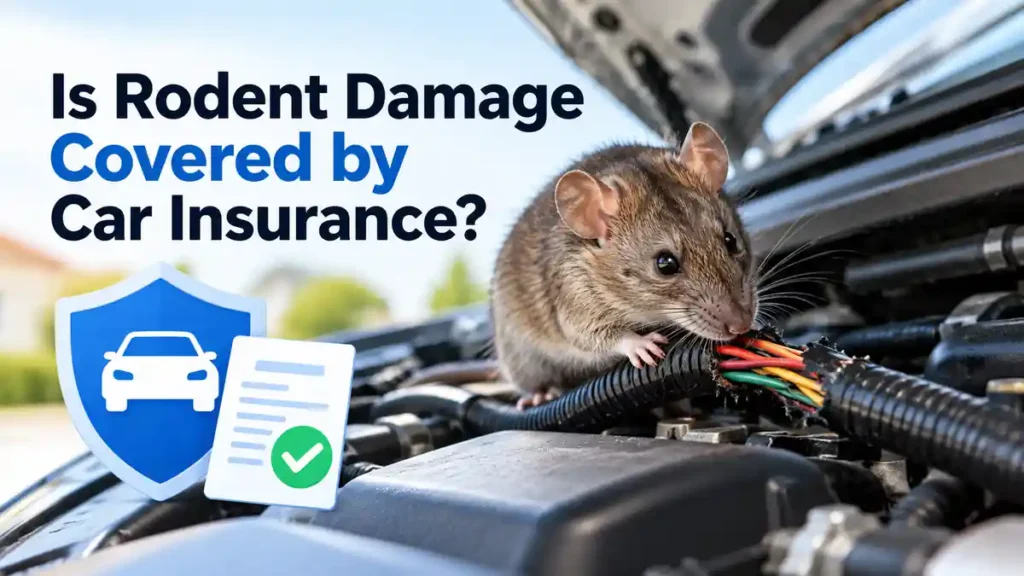
Wondering, is rodent damage covered by car insurance? In many cases, yes, if you have comprehensive coverage. Mice, rats, and squirrels can chew electrical wires, damage hoses, and destroy insulation, leading to expensive repairs. However, coverage depends on your policy, deductible, and applicable exclusions. Understanding what your insurance covers can help you avoid unexpected expenses and decide whether filing a claim makes financial sense.
Does Car Insurance Cover Rodent Damage?
Comprehensive car insurance may cover physical damage caused by rodents, subject to your policy terms and exclusions.
What Type of Insurance Covers Rodent Damage?
Comprehensive coverage generally protects your vehicle against certain types of damage unrelated to collisions. If rodents chew your car’s wiring, damage hoses, or affect components under the hood, your insurer may cover eligible repairs.
You must pay your comprehensive deductible before insurance contributes. Check your policy or contact your insurer to confirm coverage.
Does Liability-Only or Collision Insurance Cover Rodent Damage?
Liability insurance generally pays for covered injuries or property damage you cause to others, not rodent damage to your own car.
Collision coverage typically applies to covered damage caused by collisions with vehicles or objects. It generally does not cover rodent damage. Check your policy declarations page to confirm whether comprehensive coverage is included.
What Parts of a Car Can Rodents Damage?
Rodents can cause damage both under the hood and inside your vehicle, including:
- Electrical wires: Chewed wiring can cause starting problems, warning lights, and electrical failures.
- Hoses and connectors: Damaged components may cause leaks or interfere with vehicle systems.
- Insulation and interior materials: Rodents may chew insulation, carpets, seats, and upholstery.
- Engine compartment: Nests made from leaves, paper, and shredded materials can create additional problems.
If you notice chewed wires, unusual odors, fluid leaks, or dashboard warnings, arrange a professional inspection. Avoid driving if critical components may be damaged.
How Much Does Rodent Damage Repair Cost?
Repair costs depend on the vehicle model, extent of damage, parts availability, and labor rates. A minor wiring repair may cost considerably less than replacing a damaged wiring harness or electronic component.
For example, suppose approved repairs cost $2,500 and your comprehensive deductible is $500.
| Item | Amount |
|---|---|
| Approved repair cost | $2,500 |
| Deductible | $500 |
| Potential insurance payment | $2,000 |
This example assumes the insurer approves the full repair amount without other adjustments. Hidden damage discovered during repairs may increase the estimate.
How Does the Comprehensive Deductible Work?
Your deductible is the amount you pay toward a covered claim before your insurer contributes.
For example, if repairs cost $1,500 and your deductible is $500, your potential insurance payment is $1,000, assuming full approval.
What if repairs cost $400 and your deductible is $500? You would generally pay the entire bill yourself because the repair cost is below your deductible.
Is It Worth Filing a Rodent Damage Insurance Claim?
Filing a claim may make sense when approved repairs substantially exceed your deductible, particularly if extensive wiring or multiple components are damaged.
Paying out of pocket may be more practical when repairs are minor or the potential insurance payment is small. For instance, a $700 repair with a $500 deductible could result in only $200 from insurance if fully approved.
Before filing, ask your insurer whether a comprehensive claim could affect your premium or claims-free discount. The impact varies by insurer, state, and individual circumstances.
How to File a Rodent Damage Car Insurance Claim
Follow these steps to handle a potential claim:
- Document the damage: Photograph chewed wires, damaged hoses, and visible nesting materials.
- Get a mechanic’s inspection: Request a diagnostic report and itemized repair estimate.
- Contact your insurer: Confirm comprehensive coverage, your deductible, and claim requirements.
- Arrange an inspection: Follow the insurer’s instructions before authorizing major repairs.
- Review the settlement: Check the approved amount, deductible, and any adjustments.
Keep photographs, estimates, invoices, and claim correspondence for your records.
Does a Car Warranty Cover Rodent Damage?
Manufacturer warranties generally cover qualifying defects, not damage caused by animals. Extended warranties and vehicle service contracts also vary, and many exclude pest-related damage. Review your contract or contact the provider to confirm the terms.
How to Prevent Rodent Damage to Your Car
Reduce the risk of rodent damage with a few practical steps:
- Keep your garage and parking area clean.
- Remove food wrappers and materials rodents could use for nesting.
- Seal suitable entry gaps around your garage.
- Inspect your vehicle regularly, especially after long periods of parking.
- Use suitable rodent deterrents according to their safety instructions.
If rodent activity continues, consider professional pest-control assistance.
Frequently Asked Questions
Is rodent damage covered by comprehensive car insurance?
It may be covered if your policy applies and no relevant exclusion prevents payment.
Does car insurance cover mice chewing wires?
Comprehensive coverage may pay for eligible wiring repairs, subject to your deductible and policy terms.
Will a rodent damage claim increase my premium?
It depends on your insurer, state regulations, claims history, and discount eligibility. Ask your insurer before filing.
Does insurance cover rodent damage if my car is parked in a garage?
Possibly. Parking in a garage does not automatically determine coverage; your policy terms and the circumstances matter.
Conclusion
Rodent damage can lead to costly repairs, from chewed wiring to damaged hoses and insulation. Comprehensive coverage may help pay for eligible repairs, but your deductible and policy exclusions matter. Document the damage, obtain a mechanic’s estimate, and contact your insurer before making a claim decision. Comparing your potential payout with your out-of-pocket costs can help you choose the most practical option.