
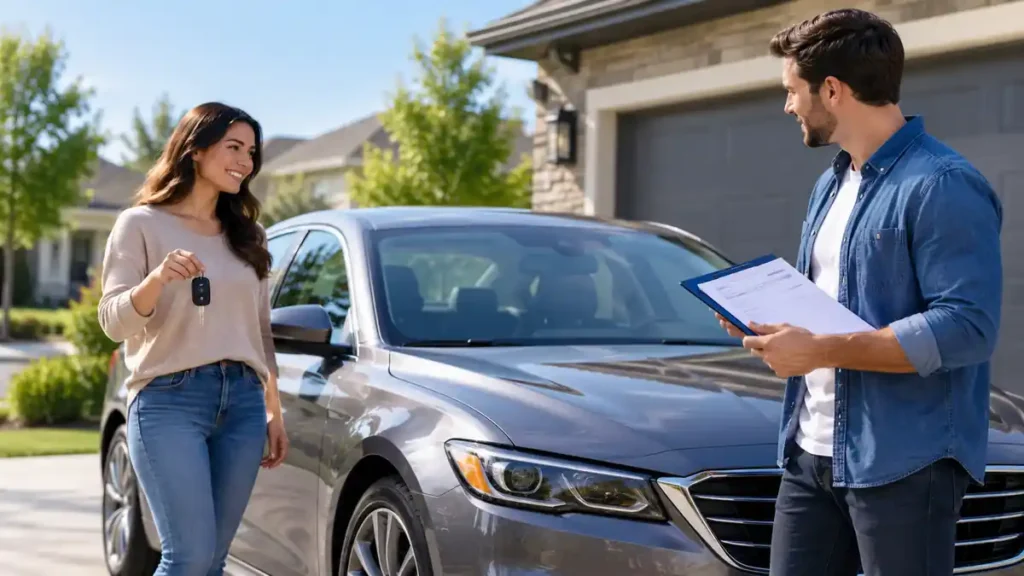
Can I insure a car I don’t own? Sometimes, but not always under your own standard policy. It depends on ownership, insurable interest, driving frequency, garaging location, and state rules. Regular drivers may need to be added to the owner’s policy. If you do not own a car, non-owner insurance may help.
Can You Insure a Car You Don’t Own?
Usually, you cannot simply insure someone else’s car as if you were the owner. Insurers generally want the person insuring a vehicle to have a legitimate financial interest in it.
This is called insurable interest. If the car were damaged, someone with an insurable interest could suffer a financial loss. Permission to drive it does not automatically create one.
Rules vary by state and insurer.
5 Ways to Get Coverage When You Don’t Own the Car
1. Get Added to the Owner’s Policy
If you regularly drive someone else’s vehicle, the owner may need to add you. For example, a child who regularly drives a parent’s car may need to be listed.
2. Buy Non-Owner Car Insurance
Non-owner insurance is for people who do not own a vehicle but need liability protection when driving eligible borrowed or rented cars. It generally does not cover physical damage to the vehicle.
3. Use Permissive-Use Coverage
Occasional borrowing with permission may be covered under the owner’s policy. Limits, exclusions, state rules, and frequency of use can affect coverage.
4. Become a Co-Owner
Adding your name to the title may establish an ownership interest. State title rules apply, and a lender may need to approve changes.
5. Ask the Insurer
For unusual arrangements, explain the owner, driver, registration, garaging location, and financing. The insurer can tell you the available option.
Non-Owner vs. Standard Car Insurance
| Feature | Non-Owner | Standard Auto |
|---|---|---|
| Own a vehicle? | Usually no | Usually yes |
| Liability coverage | Yes | Yes |
| Borrowed-car liability | Subject to policy | Vehicle-specific |
| Collision/comprehensive | Generally no | Often available |
| Best for | Drivers without a car | Vehicle owners |
Non-owner insurance primarily protects the driver against liability. Standard insurance is generally tied to a vehicle and may include collision and comprehensive coverage.
Does Non-Owner Insurance Cover the Car?
Generally, no. Non-owner insurance mainly protects the driver against covered liability claims, not physical damage to the borrowed vehicle.
For example, if you cause an accident in a friend’s car, the policy may help with covered liability claims, but generally not damage to the friend’s car.
Depending on the policy, it may also include uninsured/underinsured motorist coverage or MedPay/PIP.
What If You Regularly Drive Someone Else’s Car?
Regular use is different from occasional borrowing. If you drive it frequently, the owner should tell the insurer, and you may need to be listed.
For example, if your mom owns the car, you live with her, and you drive it every day, do not assume permissive use or a non-owner policy is enough.
What If You Only Occasionally Borrow a Car?
If you borrow a friend’s or family member’s car occasionally with permission, permissive-use coverage may apply. Coverage depends on the policy and state.
If borrowing becomes regular, tell the insurer.
Parent, Partner, Registration, and State Issues
Coverage for a parent’s, partner’s, or another person’s vehicle depends on ownership, household status, driving frequency, and garaging location.
Insurance and registration rules vary by state and insurer.
Financed or leased vehicles may have lender requirements. If the owner and driver live in different states, registration, garaging address, and primary use may also matter.
Common Mistakes to Avoid
- Assuming permission means full coverage
- Expecting non-owner insurance to cover vehicle damage
- Failing to list a regular driver
- Using the wrong garaging address
- Misrepresenting ownership
- Assuming every state has identical rules
- Ignoring lender or lease requirements
How to Get the Right Coverage
- Identify the legal owner and registration state.
- Identify the primary driver and driving frequency.
- Confirm where the vehicle is primarily garaged.
- Check whether it is financed or leased.
- Explain the arrangement to the insurer.
- Confirm what coverage applies before driving.
Avoid assuming permission means full coverage or that non-owner insurance covers vehicle damage.
FAQs
Can I insure a car that is not in my name?
Possibly. You may need to be added to the owner’s policy or use another insurer-approved arrangement.
Can I insure a car without owning one?
Yes. Non-owner insurance may provide liability protection when you drive eligible borrowed or rented vehicles.
Does non-owner insurance cover a borrowed car?
It may provide liability coverage, but generally does not cover physical damage to the borrowed vehicle.
Can I get full coverage on a car I don’t own?
It can be difficult because collision and comprehensive coverage generally depend on an appropriate ownership or financial interest.
Can I insure my parents’ car?
If you regularly drive it, you may need to be listed on the owner’s policy. Occasional borrowing may be treated differently.
Bottom Line
You may be able to have insurance coverage while driving a car you don’t own, but that does not necessarily mean you can insure the vehicle itself under your own standard policy.
Regularly drive it? Ask the owner about adding you to the policy. Occasionally borrow it? Check permissive-use coverage. Do not own a car? Non-owner insurance may provide liability protection.
Because state laws and insurer rules vary, confirm the arrangement with the insurance company before assuming you are covered.
Read Also:-How to Get Car Insurance After Non-Renewal